Upon arriving in Japan, besides the joy of discovering a new culture, finding a place to settle down and build a life is always a headache for international students and workers. Amidst the complicated and expensive traditional rental procedures, Share Houses have emerged as a modern, economical, and experiential living trend.
So what is a Share House in Japan? What are its advantages and disadvantages? Let's explore everything from A to Z in this article.
1. What is a Share House? How does this model work?
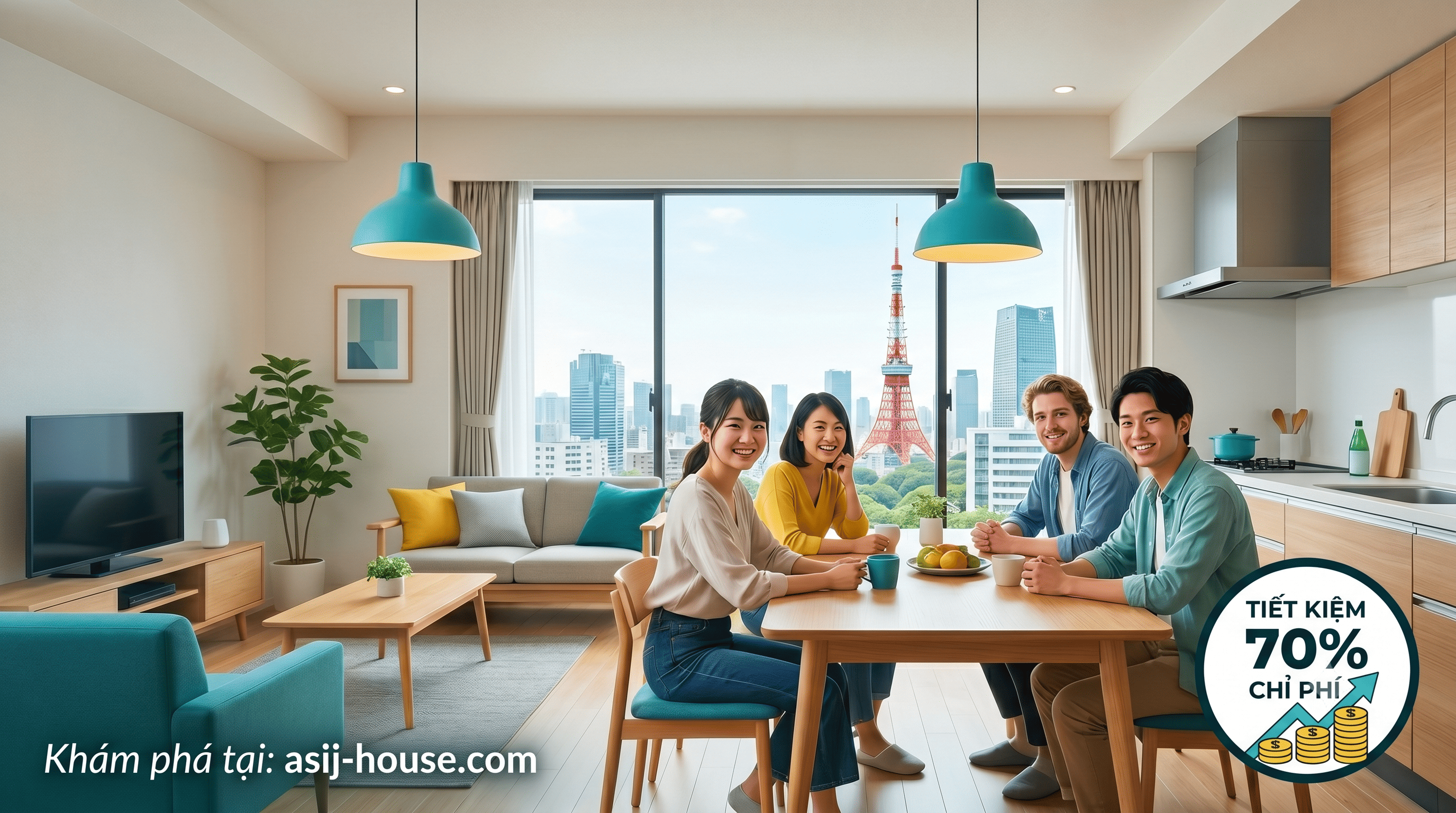
A Share House (シェアハウス) is a housing model where you own a private bedroom (or a shared room with bunk beds - dormitory), but share common living spaces with other residents in the building.
Common areas typically include:
Kitchen (fully equipped with cooking utensils, refrigerator, microwave).
Living room (TV, sofa, large dining table).
Toilet, bathroom, and laundry area.
This model is not only popular with foreigners but also extremely popular among young Japanese people today due to its convenience and modern lifestyle.
2. Why is a Share House a "lifesaver" for newcomers to Japan?
Compared to renting an independent apartment (Apato or Manshon), Share Houses have outstanding advantages that any newcomer would find hard to refuse.
💰 "Super cheap" initial cost
To rent a traditional house in Japan, you have to prepare a deposit, key money, brokerage fees... which can amount to 3-4 times the monthly rent. With Share House, you'll spend almost no money on key fees (Reikin) or security deposits (Shikin), or if you do, the deposit (called maintenance/guarantee fee) is very low.
🛋️ Fully furnished – Just bring your suitcase and move in
You won't have to spend tens of thousands of Yen buying a refrigerator, washing machine, microwave, or even curtains and mattresses. Everything is already provided and regularly maintained by the management company.
📶 Simple procedures, no guarantor required
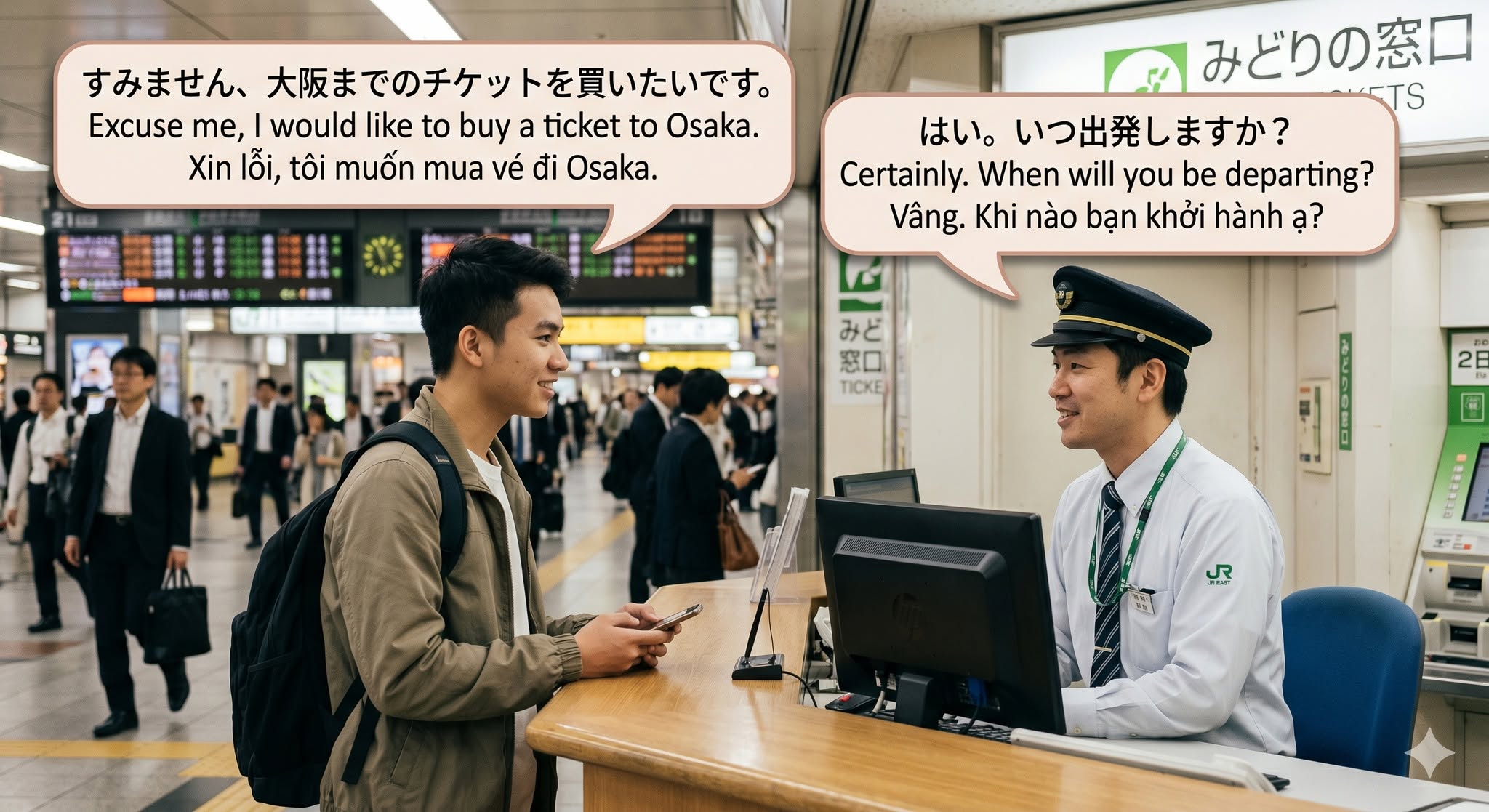
Foreigners renting in Japan are often rejected because they don't have a Japanese guarantor. Share House management companies understand this, so their application process is very simple, fast, and supports multiple languages (including Vietnamese).
🌐 Connect with friends, overcome loneliness in a foreign country
Living alone abroad can easily lead to feelings of loneliness or depression. At Share House, you'll have the opportunity to socialize with friends from all over the world and locals alike, thereby improving your language skills and expanding your network.
3. Cost Comparison Table: Traditional House vs. Share House
To give you the most visual understanding, here is a table estimating the cost for the first month when renting a room of similar size in Tokyo:
| Khoản chi phí (Ước tính) | Căn hộ độc lập (Apato/1R) | Share House (Phòng riêng) |
| Tiền nhà gốc (Tháng đầu) | 60,000 JPY | 55,000 JPY |
| Tiền Lễ (Reikin) | 60,000 JPY (1 tháng) | 0 JPY |
| Tiền Cọc (Shikin) | 60,000 JPY (1 tháng) | 20,000 JPY (Phí bảo dưỡng) |
| Phí môi giới bất động sản | 60,000 JPY | 0 JPY |
| Tiền điện, nước, internet | Tự chi trả (Khoảng 10,000 JPY) | Đã tính vào phí quản lý cố định |
| Chi phí mua sắm nội thất | 30,000 - 50,000 JPY | 0 JPY |
| TỔNG CHI PHÍ BAN ĐẦU | ~270,000 JPY | ~75,000 JPY |
Comment: The initial cost of moving into a Share House is up to 70% lower than a traditional house. This is an extremely ideal figure for those with a tight budget when they first arrive.
4. Downsides to note before signing a contract
Despite its many advantages, a Share House is not a paradise for everyone. Because it is a shared living space, you must accept the following inconveniences:
Limited privacy: You cannot be completely free to do whatever you like. After cooking or showering, you must clean up immediately for others to use.
Cultural conflict: People from different countries have different living habits. Noise, food smells, or maintaining shared hygiene can sometimes lead to unnecessary arguments.
Strict rules about visitors' hours: Most Share Houses prohibit outsiders from staying overnight or have curfews for visitors to ensure security.
5. "Golden" Tips When Choosing and Living in a Shared House
To have a fulfilling living experience and avoid disappointment, keep these tips in mind:
Carefully check the Management Fee (Kyoitsuhi): Shared house rent usually separates the room rent and the management fee (including electricity, water, wifi, dish soap, and shared toilet paper). Make sure you add these two amounts together before comparing prices.
Ask about cleaning services: Prioritize Shared Houses that hire a cleaning company to clean common areas (kitchen, toilet) 1-2 times a week. Otherwise, residents will have to schedule cleaning themselves, and believe me, this can easily cause discord!
Carefully review the House Rules: Each house has its own rules regarding laundry times, smoking regulations, or parking areas. Read them carefully to see if your lifestyle is compatible.
Respect and be open: "When in Rome, do as the Romans do." Always greet everyone with a smile (Aisatsu) in Japanese and proactively participate in barbecues and movie nights to quickly integrate.
In conclusion:
A Share House is not just a place to shelter from the rain and sun; it's an invaluable life experience for young people in Japan. It helps you save a considerable amount of money to invest in your studies and life, while also bringing you wonderful international friends.
If you are outgoing, enjoy socializing, and want to optimize your expenses in your first 1-2 years in Japan, a Share House is definitely the perfect springboard for you!